What do I need to do to join a class action lawsuit?
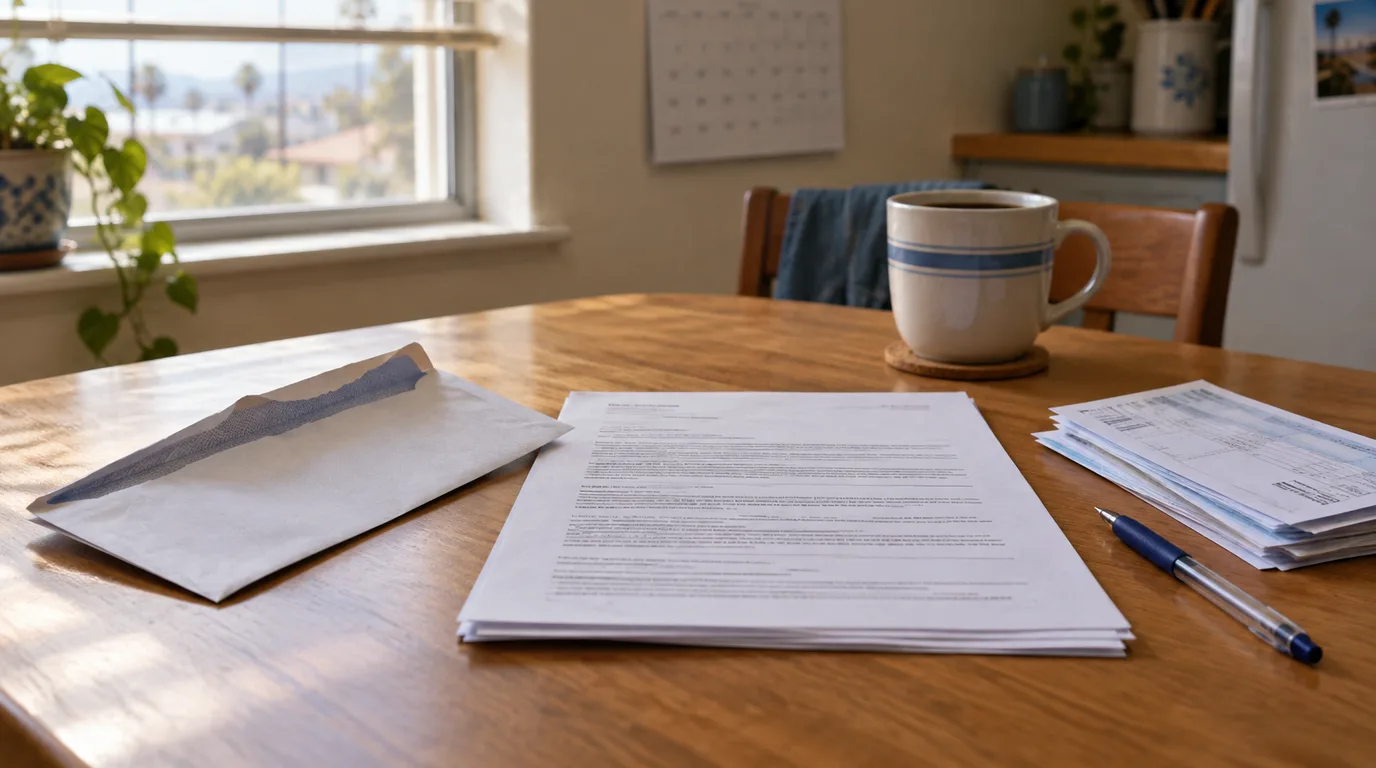
The notice is the document that tells you whether your case needs anything from you, such as a claim form, and by what date.
The steps of a California class action, in order
- The court follows the class action rules. The Riverside Superior Court's complex litigation guidelines expect lawyers to follow California Rules of Court, rules 3.760 through 3.771, on the management of class action cases.
- The notice goes out. Santa Clara Superior Court's settlement guidelines, dated September 2024, describe notice by first-class mail, with returned mail sent again after a skip trace.
- You get time to decide. The same Santa Clara guidelines say a 60-day notice period is usually adequate, as of September 2024. That is one court's guide. Your notice gives your case's own date.
- You stay in, or you request exclusion. A member who does not request exclusion may still appear in the case through a lawyer of their own, under Rule 3.766.
- You read the notice for anything else it asks. Look for a claim form and any date printed beside it.
How do I know if I'm automatically included in a class action against my employer?
The notice is how you find out. Courts like Santa Clara's describe it going out by first-class mail. So keep your mailing address current with your old employer, and open any letter about a lawsuit or settlement.
What is in a class notice?
Rule 3.766 lists what a class notice contains. The full rule is on the California courts site. One item is the statement that a member who does not request exclusion may appear through counsel.
When the envelope comes, look for three things:
- the deadline to request exclusion
- any claim form, and its own deadline
- how to request exclusion, and where to send the request
How do I opt out of a class action settlement in California?
Follow the exclusion steps printed in your notice, before its deadline. The rule that shapes the notice is Rule 3.766.
Workers thinking about leaving a class often ask how long they have to bring a wage claim on their own. The Labor Commissioner lists the deadlines below.
Wage claim deadlines if you go on your own
The Labor Commissioner's office says "A claim for unpaid overtime or minimum wages must be filed within 3 years of the alleged underpayment or non-payment."
| The claim | The deadline | |---|---| | Minimum wage, overtime, rest and meal breaks, sick leave, illegal deductions, unpaid reimbursements | 3 years | | An oral promise to pay more than minimum wage | 2 years | | Penalties for a bounced check, or for no access to payroll or personnel records | 1 year |
The Labor Commissioner's page puts the main rule this way: "Within three years for violations of minimum wage, overtime, unpaid rest and meal breaks, sick leave, illegal deductions from pay or unpaid reimbursements". The other claim types and how to file are on the same Labor Commissioner page.
A worked example
Take a made-up worker who was underpaid overtime on March 1, 2024. March 1, 2024 plus 3 years runs to March 1, 2027. That is where the Labor Commissioner's 3-year window ends for that payday.
How is PAGA different from a class action?
PAGA, the Private Attorneys General Act, is a separate kind of case. A February 2022 Court of Appeal opinion describes it as a lawsuit by aggrieved employees seeking civil penalties for violations of the Labor Code.
Its clock is shorter. The same opinion says "a PAGA action is subject to a one-year statute of limitations". It also says the 65 days after notice to the state's labor agency and the employer are not counted against that one year.
So PAGA runs on its own deadline, apart from the wage claim deadlines in the table.
Should I join a class action or file an individual lawsuit?
The choice comes down to a few questions only your facts answer:
- Is your loss close to what the rest of the class lost, or larger?
- Do you have a claim the class leaves out, such as a firing after you complained?
- How much time is left on your deadline from the table above?
There is a middle path. Our guide what is a multi-plaintiff lawsuit and how can it help you explains how a group of workers can bring their claims together.
Why we look at your dates first
Lipeles Law Group has represented California employees since 2007, from Hermosa Beach, statewide, in English and Spanish. An expired statute of limitations is a claim we have to turn away. That is why the dates on your pay records and your notice come first.
This page explains the general rules. It is no substitute for advice on one person's facts.
For more, see our class action inquiries page, employment-related class action lawsuits and our wage and hour disputes practice. Spanish speakers can read our class action page in Spanish.
Take the job case review at /job-review/ to find out whether your pay problem belongs in a class action or a claim of your own.